FinCEN Advisory
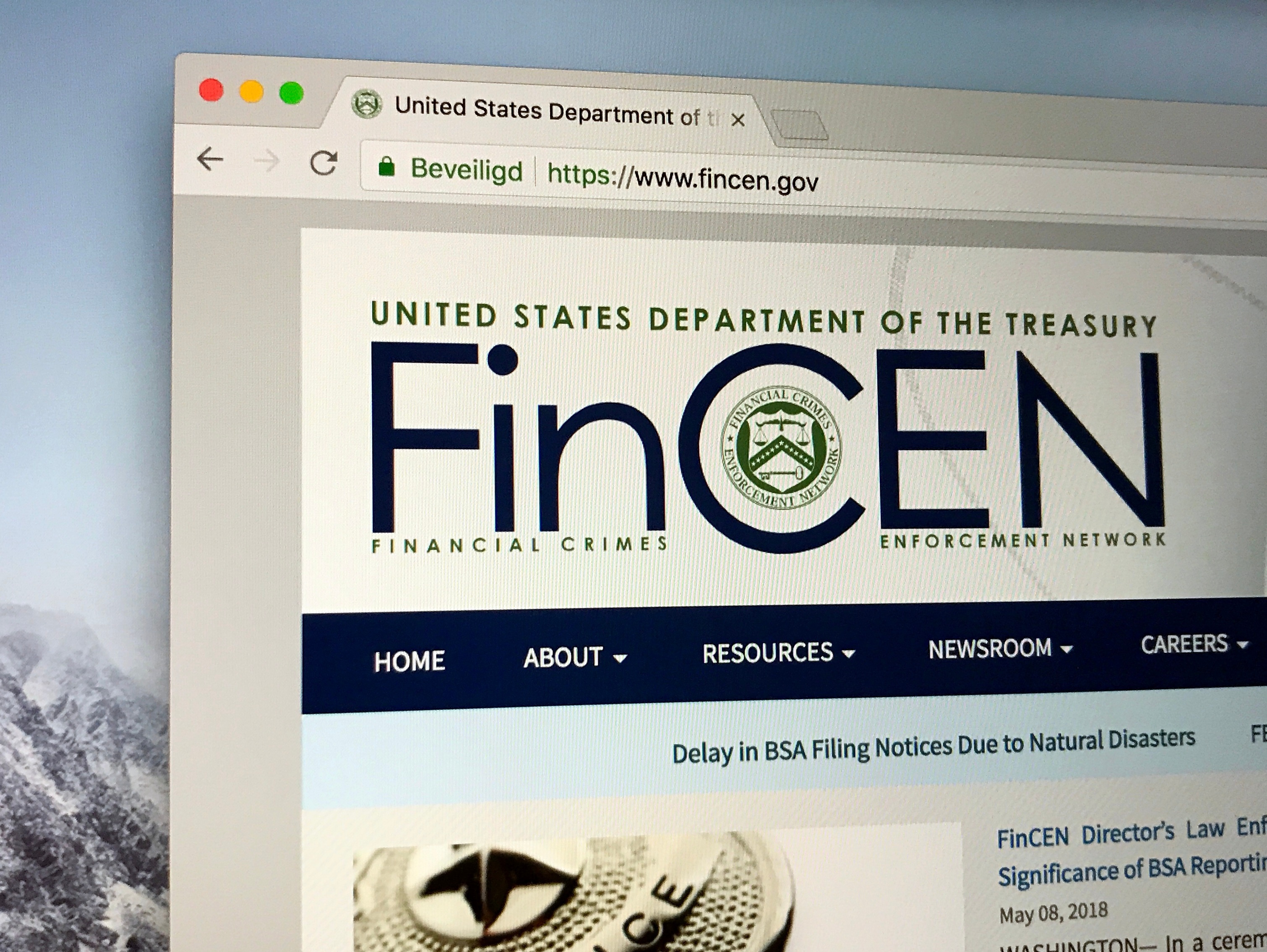
On June 5, 2026, the U.S. Treasury’s Financial Crimes Enforcement Network (FinCEN), together with the primary federal banking regulators, issued a joint advisory (FIN-2026-A002) Non-work Authorized Populations and Their Employers (Advisory), detailing associated risks and expectations of financial institutions. On the same date, the Consumer Financial Protection Bureau (CFPB) issued its Statement on Ability to Repay and Immigration Status, in part reminding creditors that consumers’ immigration status could disrupt their ability to repay. As noted in the Advisory, often insufficiently documented or otherwise improper workers may avoid paying income or social security taxes and can take valuable basic work opportunities from legitimate potential employees in their communities. As well, complicit labor brokers can be tangential and enabling to other, nefarious enterprises such as human trafficking.
While advisory in nature, the FinCEN document in particular understandably generated concern among community financial institutions in our region. Concern is especially acute in light of New England’s and the Northeast’s natural beauty and corresponding high reliance on the tourism and hospitality trades (the latter specifically identified within the Advisory as high-risk), and the necessity of staffing up lodging, restaurants, and other business for the seasonality of this foundational industry. For one, bankers are concerned about regulatory pressures in competing directions; caught between tough worker and customer documentation standards on the one hand, and non-discriminatory lending and employment rules and desires on the other.
Given the nature of bank and credit unions’ typically rigorous hiring and background check practices, direct employment of non-authorized workers at financial institutions represents an arguably low risk vector; however, the exposure presented by certain current or potential banking customers through their payroll, cash management, or general expense accounts, as underscored by the Advisory, can present real risks.
Fortunately, unpacking the Advisory can yield useful information to help institutions right-size their compliance framework in this area. The Advisory notes the importance of enhanced due diligence for Individual Tax Identification Numbers (ITINs) and details 18 red flags to help institutions detect, prevent, and report suspicious activities, specifically citing FinCEN’s 2023 Payroll Tax Fraud Notice as relevant - incorporating these into existing guidance is prudent. Further, under existing Customer Identification Program (CIP) requirements, for example, an unreasonable or disproportionate use of individual taxpayer identification numbers (ITINs) can be a risk factor, particularly when considered “…in light of other factors and information available to the bank to understand the nature and purpose of customer relationships….” As well, the Advisory details methods such as payment structuring and ‘micro-structuring,’ which criminals may use to evade BSA reporting guidelines. Finally, the Advisory asks that SAR filers include the key term “FINANCIALINTEGRITY-2026-A002” in SAR field 2 (and any narrative) to help FinCEN identify and sort incoming reports.
As with most matters in the heavily regulated financial services industry, success lies in good business judgement and consistent, effective execution. Bankers should keep in mind that a sound underlying policy and procedural framework, based on their risk exposure and practical business needs will go a long way to protecting each institution from unwarranted scrutiny and criticism. Therefore, it is smart for each institution to understand and document the risks specific to their market area, industries, and customers. Every institution should have strong AML/BSA and know your customer (KYC) regimes in place based on their own analysis and risk assessment of their market area, industries, and customers. Calibrating risk-based controls and normalizing routine vigilance to detect and understand unusual transaction patterns, as well as utilizing approaches such as supporting borrower documentation requirements from a credit-risk perspective, can help inoculate your institution from risk and criticism.